Oculus Quest 2 Review in 2026: Still Worth Buying Today?
-
June 04 , 2026
-
38
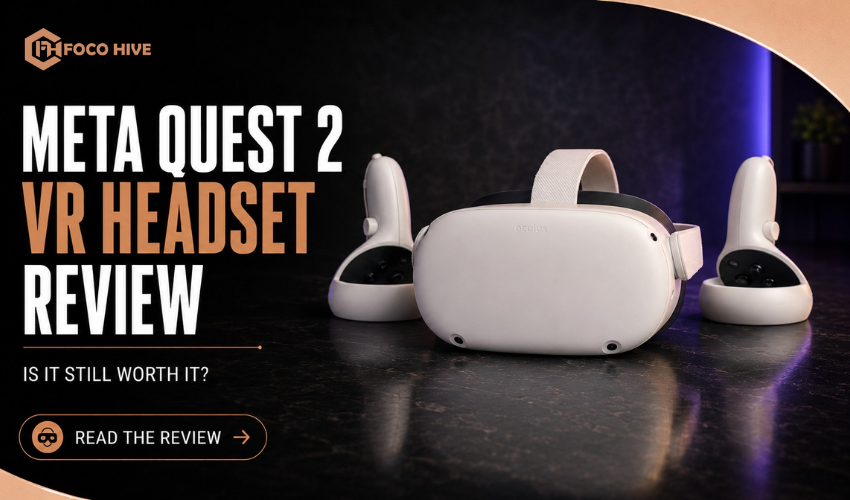
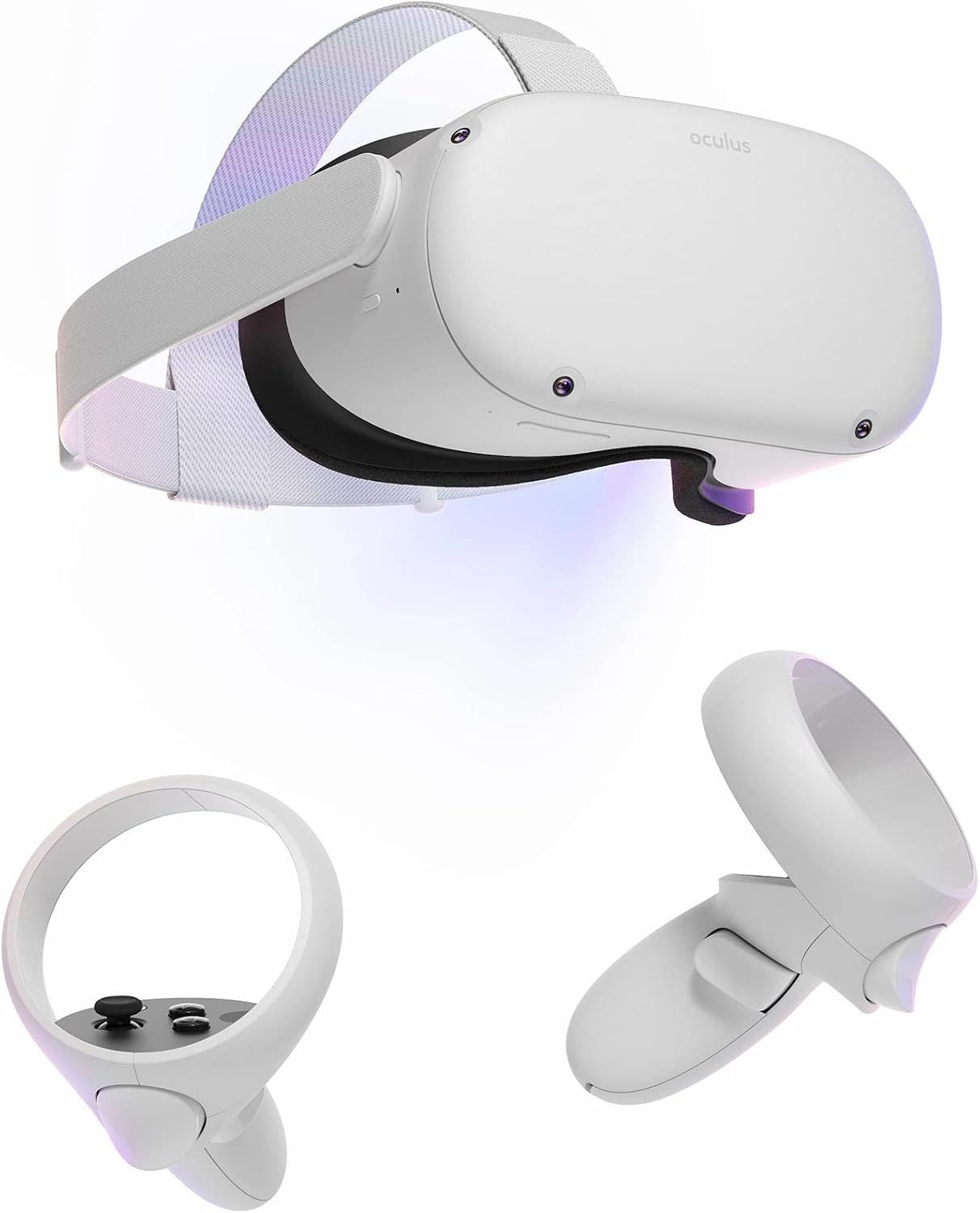
The Meta Quest 2 (formerly Oculus Quest 2) was once the headset that pushed VR into the mainstream. It made virtual reality simple, affordable, and accessible without needing a gaming PC. But in 2026, with newer headsets like the Quest 3 and Quest 3S available, the real question is straightforward: is it still a smart buy, or just outdated hardware still hanging around?
Table of Contents
- Overview
- Design & Comfort
- Display & Visual Quality
- Performance & Gaming
- Battery Life
- Software & Game Support in 2026
- Real-World User Experience
- Pros and Cons
- Who Should Buy It
- Final Verdict
- FAQs
1. Overview
The Quest 2 launched in 2020 as a standalone VR headset, meaning it doesn’t require a PC to run. Everything from processing to storage is built in, with optional PC VR support for more demanding games. Even in 2026, it is still known for being:
- Affordable entry into VR
- Simple to set up
- Beginner-friendly
It essentially set the standard for mainstream VR adoption, especially in the budget segment.
2. Design & Comfort
The Quest 2 is lightweight, weighing around 500 grams, and generally comfortable for short to medium sessions. The adjustable straps help with fit, but the default strap is often considered basic. In real use, many users upgrade the head strap for better weight distribution and comfort during longer play sessions.
👉 Overall: still usable and comfortable, but clearly not premium by today’s standards.
3. Display & Visual Quality
The headset features a resolution of 1832 × 1920 per eye with an LCD panel and up to 120Hz refresh rate. At launch, this was impressive. In 2026, it feels noticeably dated compared to newer headsets that offer:
- Sharper visuals
- Better field of view
- Advanced mixed reality features
It still delivers a decent VR experience, but it lacks the clarity and immersion of modern devices.
4. Performance & Gaming
Powered by the Snapdragon XR2 chipset with 6GB RAM, the Quest 2 still handles a large library of VR games well. In real-world use, it remains smooth for:
- Casual VR gaming
- Fitness apps
- Social VR experiences
The biggest advantage is still its standalone nature you don’t need expensive hardware or a gaming PC to use it.
👉 However, newer and more demanding VR titles increasingly favor newer headsets.
5. Battery Life
Battery life is one of its weaker points. On average, it lasts around 1.5 to 3 hours depending on usage, with heavier VR games draining it faster. This limitation has become more noticeable over time, especially compared to newer models with improved efficiency and extended usage options. Many users rely on breaks or external battery packs for longer sessions.
6. Software & Game Support in 2026
This is where the Quest 2 still holds some value, but also shows its age. The good side is that it still supports a large existing game library and works with PC VR platforms like SteamVR. However, the ecosystem has clearly shifted:
- Newer games are increasingly optimized for Quest 3 and newer hardware
- Some advanced VR features are no longer supported
- Mixed reality experiences are absent
👉 In simple terms: it still works well, but it’s no longer the priority platform.
7. Real-World User Experience
In everyday use, the Quest 2 still feels responsive and easy to navigate. Setup is quick, and the interface is simple enough for beginners. That said, users often report:
- Occasional software glitches
- An aging UI feel compared to newer systems
- Less refinement in long-term usability
It still delivers fun VR experiences, but it doesn’t feel as polished as modern alternatives.
8. Pros and Cons
| Pros | Cons |
| One of the most affordable entry points into VR | Aging hardware compared to newer VR headsets |
| Standalone use without needing a PC or console | Short battery life during extended sessions |
| Large and well-established game library | Lacks newer features found in modern headsets |
| Strong community support and active ecosystem | Long-term support is gradually shifting to newer devices |
| Easy setup and beginner-friendly experience | Lower visual fidelity compared to next-gen VR systems |
9. Who Should Buy It
The Quest 2 still makes sense in 2026, but only in specific cases. It is a good option if you are:
- A first-time VR user
- Finding it at a very low price or second-hand
- Interested mainly in casual VR gaming or PC VR access
It is not ideal if you:
- Want the latest VR technology
- Care about future-proofing
- Plan to play upcoming AAA VR titles
10. Final Verdict
So, is the Oculus Quest 2 still worth buying in 2026?
The honest answer is: yes, but only as a budget option. It still delivers a solid VR experience and remains one of the easiest ways to enter virtual reality. However, it is no longer the leading choice or the most future-proof option.
👉 Final takeaway:
The Quest 2 is no longer the best VR headset it’s the affordable entry point. Still fun, still usable, but clearly replaced by newer generations.
11. FAQs
Is the Quest 2 outdated in 2026?
Not completely, but it is clearly behind newer headsets in features and performance.
Can you still play games on it?
Yes, many VR games still work, but some new titles are shifting to newer devices.
Is it good for PC VR?
Yes, it still works well as a budget PC VR headset.
Should you buy Quest 2 or Quest 3?
If budget allows, Quest 3 is the better long-term option.
What is a good price for Quest 2 in 2026?
It is only worth buying if heavily discounted or purchased used at a low price.
Can I write you?
Sign up to get my weekly newsletter.