Patagonia Jackets Review: Sustainability Meets Performance in 2026
-
June 04 , 2026
-
38
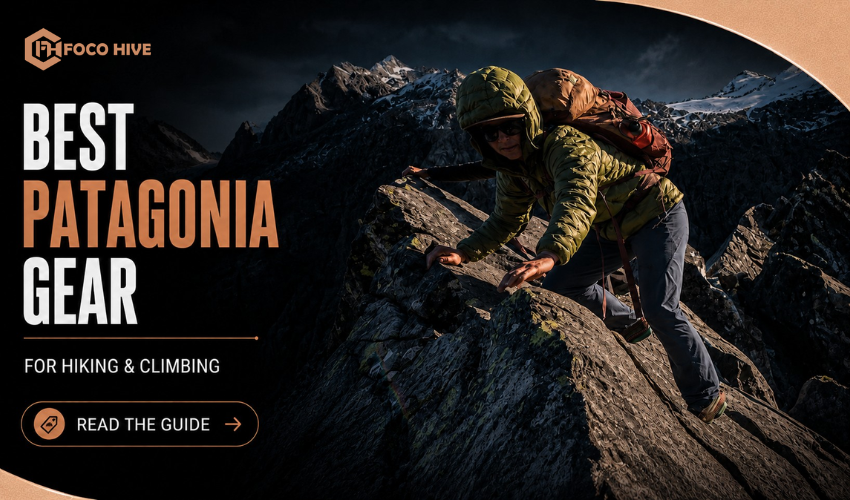
Patagonia has built a strong identity in the outdoor world by combining functional performance with a clear focus on sustainability. In 2026, that reputation is still intact but so is the premium pricing that comes with it. The real question most buyers face is simple: are you paying for genuinely better jackets, or mainly for the brand’s ethical positioning?
1. Brand Overview
Patagonia is widely known for outdoor clothing designed for hiking, trekking, and everyday wear, but what really defines the brand is its long-standing environmental philosophy. Instead of encouraging constant upgrades, Patagonia promotes repairing gear, reusing materials, and buying fewer but longer-lasting products. That mindset influences both product design and pricing, making it different from most mainstream outdoor brands.
2. Design & Build Quality
Patagonia jackets are built with durability as the priority rather than trend-driven design. Most models use reinforced stitching, weather-resistant fabrics, and reliable hardware like strong zippers and closures. The designs stay minimal and functional, focusing on performance rather than flashy styling. In practical use, this means the jackets may not stand out visually, but they are built to handle repeated outdoor use without quickly wearing out.
3. Sustainability & Ethical Practices
This is where Patagonia separates itself from most competitors. Many jackets are made using recycled materials, and a large portion of production follows Fair Trade Certified standards. The brand also maintains transparency in its supply chain and actively supports environmental initiatives. What makes it more than marketing is the structure behind it repair programs, recycling systems, and long-term environmental commitments are built into how the company operates, not added as a side feature.
4. Performance in Real Conditions
Patagonia jackets are designed for real-world outdoor conditions rather than just casual wear. Depending on the model, you’ll find solid wind resistance, dependable water protection, and insulation suitable for cold environments. They also perform well for everyday use, especially in layered outfits. In practical terms, they work equally well for city commuting, travel, and outdoor activities like hiking or trekking, which is where they are most commonly used.
5. Popular Patagonia Jacket Models
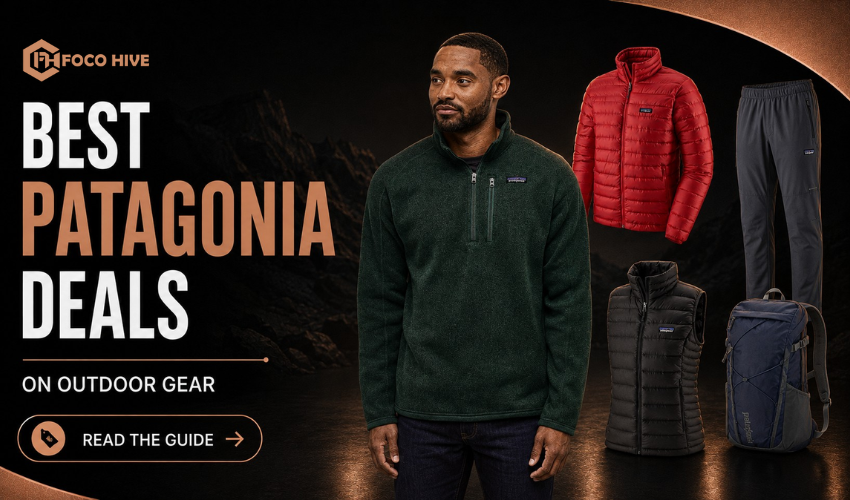
Some of the most commonly chosen options include the Patagonia Nano Puff Jacket, which is lightweight, packable, and ideal for travel or layering in cooler weather. The Patagonia Torrentshell 3L Jacket focuses more on waterproof protection, making it suitable for heavy rain and unpredictable weather conditions. For everyday comfort, the Patagonia Better Sweater Fleece Jacket is often used as a casual layer that works both indoors and outdoors. Together, these models show how the brand covers different needs without overcomplicating its lineup.
6. Comfort & Fit
Patagonia jackets are generally designed with an active fit that allows easy movement and layering underneath. They tend to run true to size, with enough space for additional layers in colder conditions. Comfort is one of their stronger points, especially for long wear. The materials feel lightweight yet functional, making them practical for extended outdoor use or daily commuting.
7. Pros and Cons
Patagonia’s biggest strength lies in durability and sustainability. The jackets are built to last for years and are backed by strong ethical manufacturing practices, which adds long-term value for many buyers. On the downside, the pricing is noticeably higher compared to many alternatives. The design is also intentionally minimal, which may not appeal to those looking for more style-driven or fashion-focused outerwear. In extreme performance categories, some competing brands may also offer more specialized technical features.
8. Patagonia vs Competitors
Compared to other outdoor brands, Patagonia places more emphasis on environmental responsibility and long-term product lifespan. Some competitors may offer stronger performance specifications in extreme conditions or more aggressive pricing. The trade-off is fairly clear: Patagonia prioritizes sustainability and durability, while other brands may focus more on maximum technical performance or lower cost.
9. Final Verdict
Patagonia jackets are not positioned as budget-friendly options, and that is intentional. The value comes from durability, ethical production, and long-term usability rather than short-term cost savings. If you prioritize sustainability and want gear that lasts for years, Patagonia remains a strong choice in 2026. If your main focus is getting the highest technical performance at the lowest price, other brands may offer better value depending on your needs.
10. FAQs
Are Patagonia jackets worth it in 2026?
Yes, especially if you value durability and sustainability over low pricing.
Are Patagonia jackets waterproof?
Some models are fully waterproof, while others are water-resistant or insulated.
How long do Patagonia jackets last?
With proper care, they are designed to last for many years of regular use.
Are Patagonia jackets good for everyday wear?
Yes, many models are designed for both outdoor and casual use.
Is Patagonia really sustainable?
Yes, the brand is widely recognized for using recycled materials and ethical manufacturing practices.
Can I write you?
Sign up to get my weekly newsletter.